
Yerevan's average high in January sits around 1°C, with lows near -8°C. December and February run a few degrees warmer on both ends, closer to -5°C to 6°C. The city stays dry through this stretch: November through February is Armenia's driest period, and when precipitation does fall, it usually comes as snow rather than rain. Snowfall itself isn't heavy. It doesn't pile up the way it does in Alpine Europe, but once it lands, cold air keeps it on the ground for weeks at a time.
That combination of cold, dry, and overcast rather than snowed-under is the first thing to plan around. Pack for sustained cold (real boots, a proper coat, layers you can add and strip) rather than for a blizzard.
What's actually open
Yerevan doesn't slow down in winter. Museums, the Cascade Complex, Vernissage market, and the city's restaurants and wine shops run on their normal schedule. Sightseeing in the capital isn't weather-dependent the way a mountain excursion is.
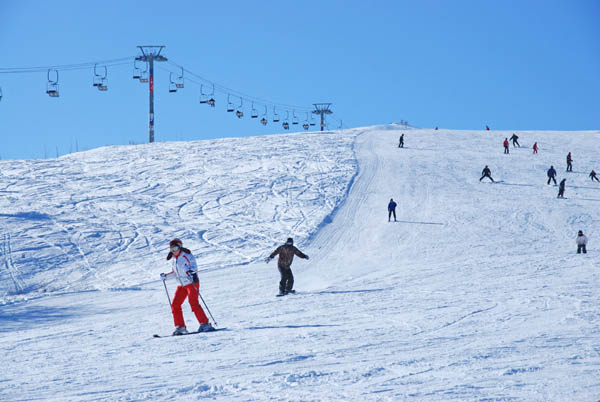
Outside the city, winter changes what's practical more than what's possible. Tsaghkadzor's ropeway climbs Mount Teghenis from 1,966 meters to 2,819 meters year-round, so the view is available with or without snow on the slopes below. The resort's skiable season generally runs from early December into April, spread across 30 kilometers of runs and seven lifts, but the exact opening date shifts with the weather each year. Jan Armenia doesn't have a confirmed opening date for this season yet, so if skiing itself is the point of your trip, check current snow conditions before locking in dates. The ropeway ride up doesn't wait for a snow report.
A handful of higher-altitude sites get harder to reach after heavy snow. Mountain roads that are a non-issue in July can close for a day or clear slowly after a storm, so a winter itinerary benefits from some built-in flexibility rather than a fixed hour-by-hour plan.
What else there is to do in the snow
Skiing isn't the only reason to go up to Tsaghkadzor. The same resort runs tubing and snowmobiling alongside the slopes, so travelers who don't ski still have something to do once they're at altitude, and the ropeway ride itself is worth the trip for the view over the Pambak range alone. Further north, Hankavan's hot springs give winter visitors a reason to end a snow day in warm water instead of just driving back to the hotel. None of this depends on the ski season actually being open yet, which makes it a reasonable backup plan if you're traveling in the weeks before the lifts start running.
When within winter to go
Early-to-mid December is the calmest window: the holiday rush hasn't started, hotel rates haven't climbed, and the ropeway and lowland sites run without crowds. The stretch from just before Christmas through the first week of January is Tsaghkadzor's busiest, as Armenian and regional travelers fill the resort for the holidays, so book accommodation and transport well ahead if you're traveling then. February tends to bring Armenia's most reliable snow cover once the season is fully underway, which matters most if skiing or tubing is the actual goal.
Planning it on the ground
A few practical notes that don't show up on a packing list. AMD is the currency you'll use for tours, entry fees, and most purchases, so don't plan around converting a different one at the border. Winter daylight runs short, roughly 9 to 10 hours in December and January, so an early start covers more ground before dark. And because road conditions can shift with the weather, a tour with a private driver and a flexible route handles a bad-weather day better than a self-drive plan built around fixed stops.
If you'd rather have someone else make the weather calls, Jan Armenia runs multi-day winter packages built around exactly this. The 4-day, 3-night Winter Wonderland itinerary pairs a Yerevan city tour with Tsaghkadzor and Lake Sevan. The longer Making Winter Memories trip adds off-road driving and horseback riding into the mix. Both build weather-flexible days into the route instead of betting the whole trip on one mountain afternoon.
Winter isn't Armenia's quietest season by accident. It's also one of the clearest times to see the country's mountains without a summer haze, and prices on hotels and tours outside the Christmas-New Year window tend to run lower than peak season. Pack the right coat, build in a buffer day, and the cold becomes a minor detail rather than an obstacle.


